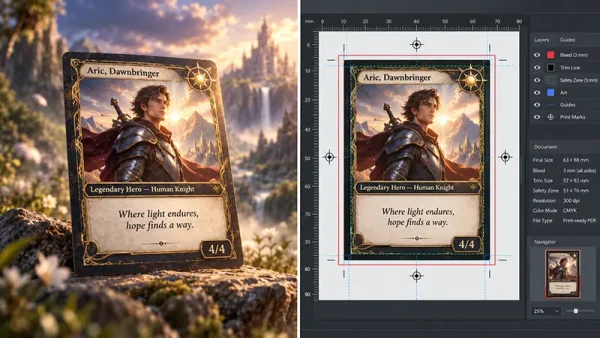
Before diving into the interview, we’d like to set the stage. In the world of game design, there’s a blend of creativity, strategy, and production logistics that transforms an idea into a tangible product enjoyed by players worldwide. Today, we’re excited to chat with Alex Rivera, an innovative game designer, to explore the nuances of game creation, printing, and beyond.
Insights Into Game Design And Printing With Acelion
Acelion: Thank you for joining us, Alex! To start, could you share a little about your background and how you got into game design?
Alex Rivera: Absolutely! I’ve always loved games, from classic board games as a child to more complex tabletop games as I grew older. My career in design began as a side hobby—I started tinkering with game mechanics while working as a graphic designer. Over time, it became clear that I wanted to merge my passion for storytelling and design into creating immersive gaming experiences.
Acelion: What inspired your latest project, and how did it come to life?
Alex Rivera: My latest project, Chrono Explorers, is a cooperative time-travel game where players work together to fix historical anomalies. The idea sparked from my love of history and speculative fiction. I spent months researching historical events to weave into the game mechanics. Partnering with Acelion for card printing was a game-changer. The quality and customization options allowed me to bring my vision to life.

Acelion: What’s the biggest challenge in designing a game, and how do you overcome it?
Alex Rivera: The biggest challenge is balancing complexity and accessibility. You want the game to be engaging for seasoned players but not overwhelming for newcomers. I tackle this by extensive playtesting with diverse groups. Feedback is critical to fine-tuning the mechanics and ensuring clarity in the rules.
Acelion: How do you decide on the components, especially when working with printed materials like cards?
Alex Rivera: Components are integral to the game’s experience. Cards are versatile, and they’re often a key part of my designs. With Acelion, I’ve been able to experiment with different finishes and custom shapes that enhance the tactile and visual appeal of the game. Durability is another factor—I ensure the materials can withstand frequent use.

Acelion: What advice would you give to designers selecting a printing partner?
Alex Rivera: Look for a partner who offers flexibility and high-quality materials. Acelion stood out for its variety of card stocks, eco-friendly options, and attention to detail. Communication is also key—a good printing partner listens to your needs and provides solutions tailored to your project.
Acelion: How do you approach distribution once the game is printed?
Alex Rivera: I’ve used a mix of direct sales through my website, partnerships with local game stores, and crowdfunding platforms like Kickstarter. Each method has its strengths. Crowdfunding, for example, helps gauge interest and provides early funding, while local stores create a community connection.
Acelion: Can you share a memorable moment from your collaboration with us at Acelion?
Alex Rivera: One standout moment was when we worked on foil-printed cards for a limited edition of Chrono Explorers. The Acelion team guided me through the process, and the final product was stunning. The feedback from players was overwhelmingly positive—the cards became a highlight of the game.

Acelion: What trends are you noticing in game design, and how are you incorporating them?
Alex Rivera: There’s a growing focus on cooperative and story-driven games. Players want experiences that foster collaboration and immersion. I’ve leaned into this by designing games with narrative arcs and unique character roles. Also, inclusivity is big—I ensure my games are accessible in terms of language, colorblind-friendly design, and varied difficulty levels.
Acelion: How do you balance creativity and practicality in game design?
Alex Rivera: It’s all about iteration. Creativity drives the initial concept, but practicality ensures the game works. I set clear budgets and timelines and prioritize elements that add the most value. Collaborating with a reliable printer like Acelion ensures the production side aligns with the creative vision.
Acelion: Lastly, what do you find most rewarding about being a game designer?
Alex Rivera: Seeing people engage with the game and hearing their stories. There’s nothing like watching players strategize, laugh, and connect over something you created. It’s a reminder of why I do what I do—to bring people together and spark joy.
Acelion: Thank you, Alex, for sharing your insights. We’re thrilled to have been part of your journey and look forward to more collaborations in the future!
Insights Into Game Design And Printing Summary
This insightful interview with Alex Rivera delves into the art and strategy of game design, touching on challenges, trends, and the importance of a reliable printing partner like Acelion. Alex shares valuable advice for aspiring designers, memorable moments from his projects, and the joy of creating games that bring people together. Whether you’re a veteran or a newcomer to the gaming industry, there’s something to learn from Alex’s journey and expertise.