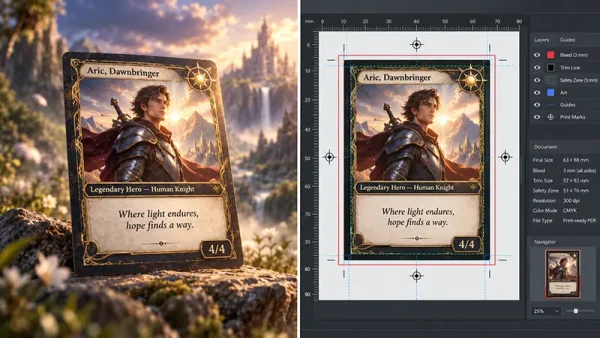
The classic memory game cards, with its simple premise and endless possibilities, remains a timeless favorite. But what if you could elevate it from a nostalgic pastime to a truly engaging experience?
This is where the magic of custom memory game cards come in. By tapping into the power of personalization, you can inject creativity into the design process, crafting a game that resonates deeply with the players.
How To Design Custom Memory Game Cards?
Imagery: The Heart of the Game
The most captivating aspect of a custom memory game lies in the imagery. Gone are the days of generic shapes and symbols. Here, you have the freedom to unleash your creativity and personalize the cards with visuals that spark memories and ignite the imagination. Here are several approaches to consider:

Family Photos: For a family gift, using personal photos is a fantastic way to create a deeply meaningful game. Select images that span different occasions, such as vacations, birthdays, or everyday moments. This not only makes the game more engaging but also evokes nostalgia and fosters family bonding.
Illustrations and Artwork: For a more artistic touch, custom illustrations can be used. These could be thematic, such as fairy tale characters for children or abstract art for a modern twist. Commissioning a local artist to create these illustrations can add a unique and personal touch.
Corporate Branding: In a corporate setting, incorporating branding elements can reinforce company culture and values. Use images that represent the company’s history, products, or core values. This transforms the game into a subtle yet effective branding tool, making training sessions more interactive and memorable.
Educational Content: For educational purposes, images can be chosen to represent learning material, such as historical figures, vocabulary words, or scientific concepts. This turns the game into a fun learning tool, enhancing both engagement and knowledge retention.
Personal Touches: For a truly unique touch, consider incorporating personalized elements. Include handwritten messages on the cards, incorporate inside jokes or meaningful dates. These details will add a sentimental touch and make the game truly special.
Color Schemes: Crafting the Visual Experience
The choice of color schemes is crucial in setting the tone and mood of the game. Colors can evoke emotions, attract attention, and aid in memory retention, which is particularly important in a memory game. Here are some strategies for selecting effective color schemes:

Family Games: For a family-themed game, warm and inviting colors such as pastels or vibrant primary colors can be effective. These colors can make the game feel more playful and accessible, appealing to both children and adults.
Corporate Training: In a corporate environment, it’s often best to stick to the company’s brand colors. This not only maintains brand consistency but also gives a professional look to the game. Subtle, professional colors like blues and grays can impart a sense of seriousness and focus.
Educational Games: Educational games can benefit from bright, contrasting colors to help distinguish different categories or concepts. For example, using different background colors for different subjects (e.g., green for science, blue for history) can help players categorize and remember information more effectively.
Artistic Themes: For a game with a more artistic or abstract theme, experimenting with unconventional color combinations can create a visually stunning experience. This approach can make the game feel more like a piece of art than a typical memory game.
Harmonious Palettes: Choose colors that complement each other and create a visually pleasing aesthetic. Consider themes and emotions you want to evoke. Warm colors like yellows and oranges evoke feelings of joy and warmth. Cool colors like blues and greens promote a sense of calm and focus.
Differentiate and Distinguish: Ensure the color choices for paired cards differ enough to create a clear challenge, but not so stark that it becomes visually jarring. Experiment with color variations, shades, and tints to achieve the perfect balance.
Text: Enhancing Understanding and Engagement
Text on memory game cards can add another layer of depth, providing context or clues that enhance the gameplay. Here are some considerations for incorporating text:

Family Games: For family games, including names, dates, or short descriptions can make the cards more meaningful. For example, a card with a family photo might also include the date and place it was taken, providing additional context and sparking conversation.
Corporate Training: In corporate training tools, text can be used to reinforce key concepts or messages. For instance, a card might feature an image of a product along with a brief description of its benefits or key features. This not only aids in memory retention but also reinforces important information in a fun and engaging way.
Educational Games: In educational settings, text can be crucial for learning. Pairing images with vocabulary words, historical dates, or scientific terms can turn a simple game into an effective study tool. Clear, concise text can help players learn and remember important information.
Artistic and Thematic Games: For more thematic games, text can help tell a story or set a mood. Quotes, poetry, or even single words can add depth to the imagery, creating a richer and more immersive experience.
Please note: For younger players or those with limited reading skills, use simple, single words that clearly identify the image.
For older players or games with complex imagery, consider using short, descriptive sentences that pique curiosity or challenge the memory. “The Eiffel Tower at dusk” is more engaging than simply “Eiffel Tower.”
Personalization: The Key to Unforgettable Memories
Personalization is the key to making a custom memory game truly special. It transforms a simple game into a unique and meaningful experience tailored to the intended audience. Here’s how personalization can make a difference:

Family Games: Celebrate family bonds. Use photos from special occasions, family vacations, or childhood portraits. Include handwritten messages like “Remember that time at the beach?” on the backs of the cards.
Gifts & Keepsakes: Tailor the theme to the recipient’s interests. For an animal lover, use pictures of their favorite species. For a history buff, turn historical landmarks into the game’s focus.
Educational Tools: Make learning fun. Create memory games for children with educational themes like numbers, alphabets, or shapes. This adds an element of play to the learning process.
Corporate Training: Enhance team building and knowledge retention. Use the company logo, product images, or key marketing slogans as card designs. This can be a fun way to train employees on new products or marketing strategies.
Beyond the Basics: Crafting a Complete Experience
When creating a custom memory game, it’s important to consider the entire package.
* Material Matters: Choose high-quality cardstock that is durable and shuffle-proof. This ensures your game can withstand countless rounds of play.
* Presentation is Key: Design an attractive box or pouch for the cards. This adds to the overall aesthetic and makes the game a visually appealing gift or keepsake.
* Expand the Experience: Consider adding additional touches like a custom scorecard, themed tokens, or even a short rule booklet outlining variations on the traditional gameplay.
Custom Memory Game Cards Conclusion
Designing custom memory game cards is an art that combines creativity, personalization, and thoughtful design choices. By carefully selecting imagery, color schemes, and text, and by tailoring the game to the intended audience, one can create a unique and engaging experience.
Whether a family gift, a corporate training tool, or an educational resource, you can use Acelion to make your custom memory game cards affordable!