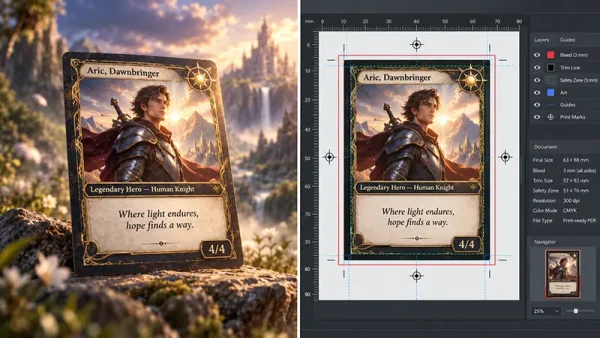
Trading card games (TCGs) have exploded in popularity over the past few decades, captivating players with their intricate mechanics, stunning artwork, and engaging communities. However, not all TCGs achieve the same level of success. To delve into what makes a TCG truly thrive, let’s explore seven key factors that are critical for a game’s success.
7 Key Factors For Trading Card Game Success
1. Game Mechanics and Playability
The core of any successful TCG is its game mechanics. This includes the rules, gameplay, and overall player experience. A successful TCG strikes a balance between accessibility and depth, ensuring that new players can learn quickly while still offering complexity for seasoned gamers.
a) Rules Complexity
A game needs to be approachable. Magic: The Gathering exemplifies this with its “easy to learn, hard to master” philosophy. Basic concepts like mana and creature types allow newcomers to dive in, but advanced strategies and combos keep veteran players engaged.
b) Strategic Depth
Multiple paths to victory encourage diverse gameplay. Yu-Gi-Oh! provides a plethora of deck archetypes, from straightforward beatdown decks to intricate combo builds, allowing players to experiment with various strategies.
c) Balancing
No card should dominate the metagame. Regular updates and adjustments help maintain balance. Pokémon TCG, for instance, uses card rotations and errata to keep gameplay dynamic and fair.
d) Interaction
Player interaction enhances excitement. Legends of Runeterra promotes this through alternating turns, where players can react to opponents’ moves, fostering a highly interactive experience.

2. Art and Visual Design
Visual appeal is vital for attracting players and enhancing collectibility. The artwork and design of cards can significantly influence a player’s connection to the game.
a) Card Art
High-quality, unique artwork can make cards stand out. Games like Final Fantasy TCG invest in talented artists to create a visually appealing identity across their expansions.
b) Graphic Design
Clear, intuitive layouts allow players to grasp card functions quickly. Consistent design elements like icons and color coding improve the overall user experience.
c) Thematic Consistency
A strong theme enhances immersion. Cohesive narratives across cards and expansions, such as those found in the KeyForge universe, draw players into the game world.
d) Rarity Indicators and Special Finishes
Visual cues that indicate rarity add excitement. Special finishes, like cold foiling and holographic patterns, increase the appeal of opening booster packs and collecting rare cards.

3. Distribution and Collectibility
How cards are distributed and their collectible nature play a significant role in a TCG’s success.
a) Rarity Structure
An effective rarity system enhances excitement. A game with a clear hierarchy, such as Flesh and Blood’s unique rarity types, can make collecting more engaging.
b) Pack Distribution
Careful balance in booster packs provides common cards for gameplay while offering chances to pull rare cards. This thrill drives collectors and players alike.
c) Limited Editions and Alternate Artworks
Special releases create buzz. Games like Pokémon TCG often introduce alternate artworks and promotional cards, driving interest and fostering a secondary market.
d) Production Challenges
Consider the practical aspects of production. Small publishers can partner with experienced printers like Acelion to navigate challenges in producing multiple rarity tiers and special finishes.

4. Community and Competitive Scene
A strong community is vital for the longevity of a TCG. This includes fostering both casual and competitive play.
a) Organized Play
Establishing a robust tournament system can drive interest. The Magic Pro Tour exemplifies how structured competitive play can engage players at all levels.
b) Online Communities
Encouraging online spaces for strategy discussion helps cultivate a community. Platforms like Reddit and Discord serve as hubs for fans to connect and share insights.
c) Regular Content Updates
Regular expansions keep the game fresh. Hearthstone maintains player interest in introducing new cards and mechanics several times a year, altering the meta and encouraging innovation.
d) Accessibility
Diverse formats allow various playstyles. Yu-Gi-Oh! offers formats like Speed Duels to cater to different audiences, making the game more approachable.

5. Marketing and Brand Management
Effective marketing is crucial for attracting and retaining players.
a) Cross-Media Promotion
Leveraging other media can expand a game’s reach. Games like Pokémon use anime and video games to draw fans into the TCG realm.
b) Influencer Partnerships
Collaborating with popular content creators can increase visibility. TCGs often benefit from partnerships with streamers who showcase gameplay and strategies.
c) Clear Brand Identity
A strong, recognizable brand helps differentiate a TCG from competitors. Consistent messaging and visuals solidify a game’s identity, as seen with Magic: The Gathering’s iconic branding.
d) Responsive Community Management
Engaging with the community shows players their feedback matters. TCGs that actively listen to their audience, like Flesh and Blood, foster loyalty and trust.
e) Crowdfunding and Community Building
New TCGs can utilize platforms like Kickstarter to gauge interest and build a fanbase. Successful projects often rely on the insights of previous creators for guidance.
f) Production Partnerships
Engaging with print specialists can optimize production processes. Companies like Acelion help new TCGs navigate complexities in card production to achieve their vision effectively.
Trading Card Game Conclusion
Success in the world of trading card games requires a multi-faceted approach, from engaging mechanics and stunning artwork to a vibrant community and effective marketing. By focusing on these seven key factors, TCG creators can build games that resonate with players and sustain their interest over the long term. As the landscape of TCGs continues to evolve, those who adapt and innovate will ultimately thrive in this dynamic environment.